The Best Time to Visit Saudi Arabia: Seasons, Honestly Explained
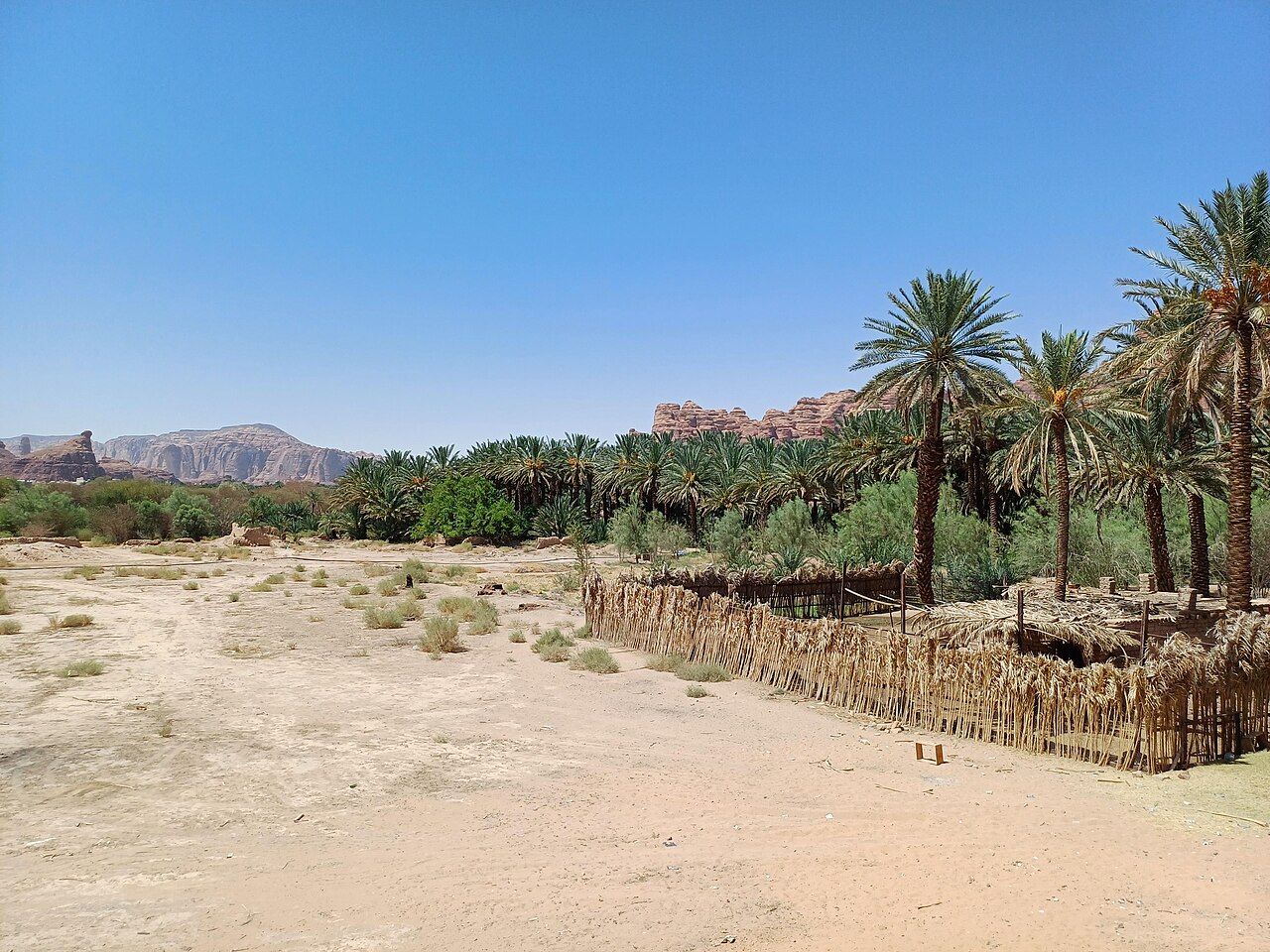
November to February is the easy answer. The fuller answer depends on where in this enormous country you are going - and what you are going for.
- Peak sightseeing season: November to February
- Asir's highlands stay in the 20s even in August - the local summer escape
- Ramadan moves about 11 days earlier each Gregorian year
- Tourist eVisas do not cover the Hajj period in Makkah
The comfortable season: November to February
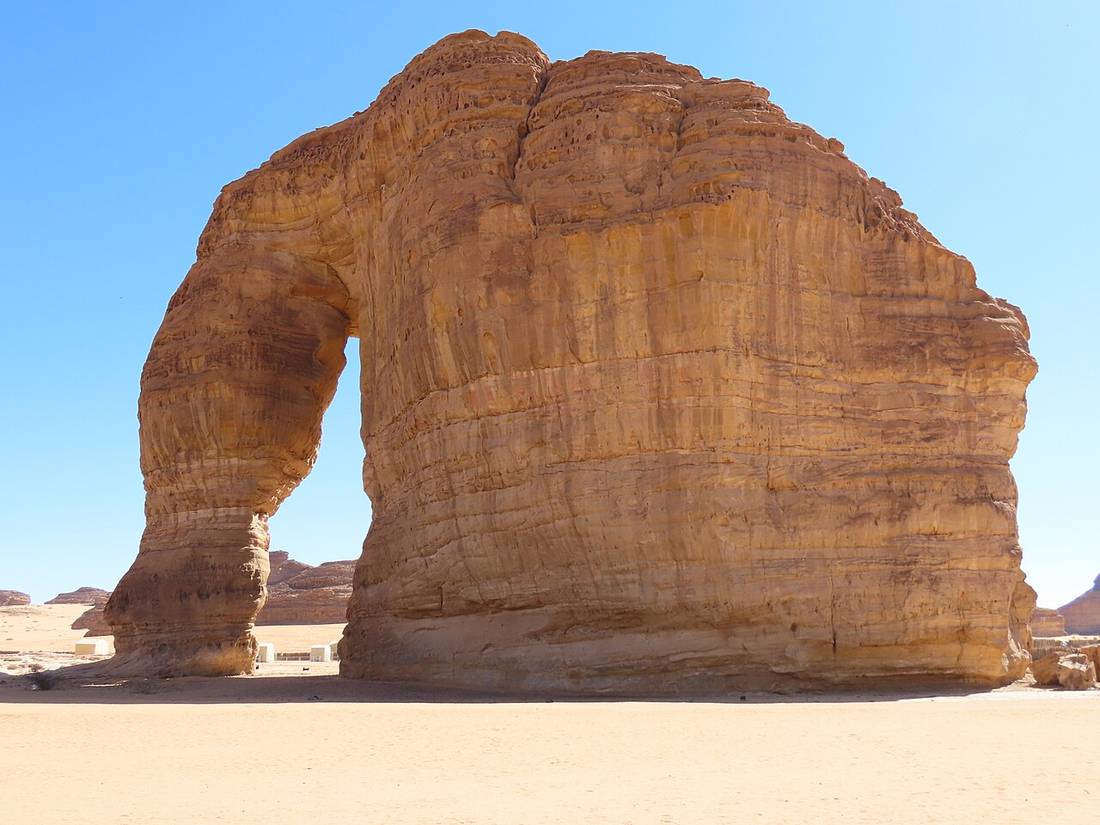
For most of the country, this is the window: Riyadh in the low-to-mid 20s by day, Jeddah warm and humid-mild, AlUla's desert cool enough for all-day exploring and cold at night. It is also peak season - Riyadh Season and Diriyah Season run, AlUla's Winter at Tantora festival lands, flights and hotels price accordingly, and the best desert camps book out. If your dates are flexible inside the season, the edges (early November, late February) give you the weather with slightly thinner crowds.
The shoulder months: March, April, October
Spring and early autumn are the value play. Temperatures climb - expect the 30s in most regions - but mornings and evenings stay pleasant, the sea is warm, and prices soften. October in particular suits a Red Sea and Jeddah trip with AlUla added early or late in the day. March brings the tail of the events season in some years. Pack for heat management rather than heat avoidance and these months reward you.
Summer: the honest version
June to September in Riyadh, Jeddah and the east is seriously hot - mid-40s is normal, and sightseeing becomes a dawn-and-evening activity with an air-conditioned middle. Two exceptions keep summer viable. The Asir highlands around Abha sit in the 20s with afternoon mists and are the Saudis' own summer escape; Taif is similarly mild. And if your trip is Umrah or city-based with indoor plans, summer's low prices and empty sites have their own logic - just build the days around the heat.
Ramadan and Hajj: two special cases
Ramadan moves about eleven days earlier each year. Visiting then is a distinctive experience - quiet days, electric nights, iftar invitations - with daytime restaurant closures to plan around, and for Umrah pilgrims it is the most sought-after (and busiest) time of all. Hajj reverses the logic: the Hajj period brings pilgrim-only restrictions around Makkah, tourist eVisas are not the instrument for it, and the holy cities are effectively closed to ordinary tourism. Check the Hijri calendar before fixing dates - our converter on this site does exactly that.
So, when should you go?
First trip, sightseeing focus: late November to mid-February, booked early. Red Sea and diving: October to April for water clarity and bearable decks. Umrah: any month outside Hajj, with Ramadan chosen knowingly and the cooler months kinder for a first time. Mountains and the local summer circuit: July and August in Asir, against every instinct the map gives you. The Kingdom is the size of Western Europe - 'the best time' is always 'the best time for somewhere in it'.
Common questions
When is it cheapest to go?
The hot months outside Ramadan and school holidays - roughly May to September in the cities - bring the lowest flight and hotel prices, traded against serious heat.
Is winter actually cold?
In Riyadh and the desert, nights can drop close to freezing and AlUla evenings need a real jacket. Jeddah stays mild. Pack layers, not a beach-only bag.
When is Umrah busiest?
Ramadan is the peak, followed by the winter school holidays. The quietest Umrah weeks are usually just after Hajj season and in the hottest months.

Ready when you are
Check your eligibility in a minute, then apply online - a specialist reviews your documents before anything is submitted, and your total is confirmed in writing before you pay.