Is Saudi Arabia Safe for Tourists? An Honest Guide
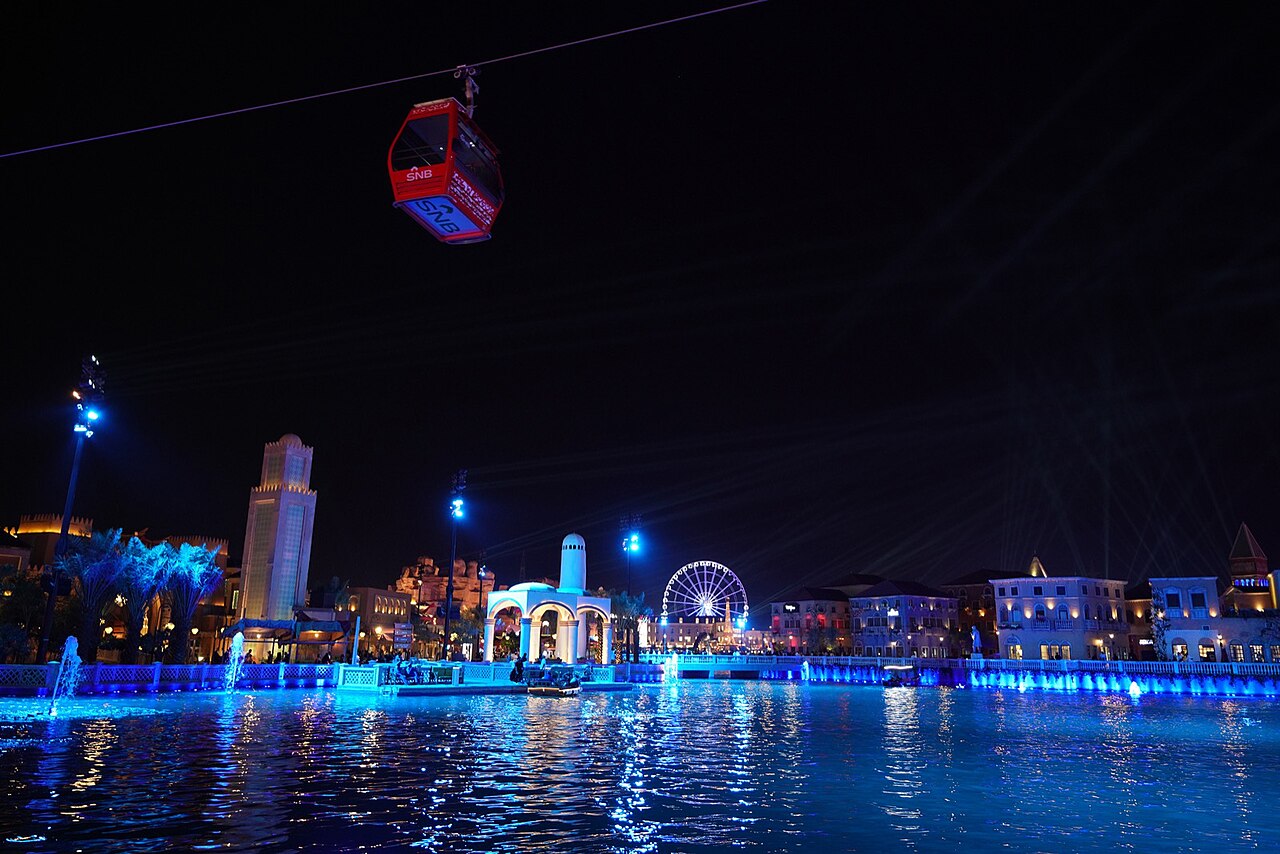
Low street crime, strict laws, one real risk on the roads, and a short list of rules that keep visitors out of trouble - what safety actually looks like for a tourist in Saudi Arabia today.
- Street crime against tourists is uncommon; the main practical risks are road traffic and summer heat
- Alcohol is prohibited and drug offences carry severe penalties - the laws apply to visitors in full
- Most foreign governments advise against travel only to the area near the Yemen border
- Emergency: 911 in Riyadh, Makkah and the Eastern Province; 999 police and 997 ambulance elsewhere
The short answer
For most visitors, yes - Saudi Arabia is a safe country to travel in, and it feels that way quickly. Street crime and theft against tourists are uncommon, cities are well lit and busy late into the evening, and families think nothing of being out in parks and corniches after dark. The honest risks are different from the ones people imagine: the road traffic, the summer heat, and the possibility of breaking a law you did not know existed. All three are manageable with a little preparation, which is what this guide is for.
Crime and personal safety
Petty crime exists, as it does everywhere, but it is not a defining feature of travel here - bag-snatching and pickpocketing are rare, and violent crime against visitors is rarer still. Normal city awareness is enough: keep documents and cards secure, use the hotel safe for spares, and carry a phone copy of your passport and visa. Solo travellers, including women, move around the main cities freely; our guide to travelling as a woman covers the practical detail. If anything does go wrong, the emergency numbers are 911 in Riyadh, Makkah and the Eastern Province, and 999 (police) or 997 (ambulance) elsewhere.
The real risk: the roads
Ask residents what worries them and most will say the driving. Highway speeds are high, lane discipline varies, and distances between cities are long enough for fatigue to creep in. If you drive yourself, read our driving guide first, keep journeys to daylight where you can, and treat the seatbelt as non-negotiable for everyone in the car. If you do not drive, you are in good hands: domestic flights cover the long legs cheaply, the Haramain train links Jeddah, Makkah and Madinah, and ride-hailing apps are the default inside the cities.
Laws that surprise visitors
Saudi law is strict, publicly enforced, and applies to visitors exactly as it applies to residents. Alcohol is prohibited outright, and drug offences carry severe penalties - never carry anything for anyone else. Photograph people only with their permission, and do not photograph military or government installations. Public behaviour is expected to stay modest: dress as our dress code guide describes, keep affection between couples discreet, and avoid loud arguments or gestures in public - the argument you win on the street can still cost you the day. None of this is hard to follow; it simply rewards knowing it before you land rather than after.
Regions and common sense
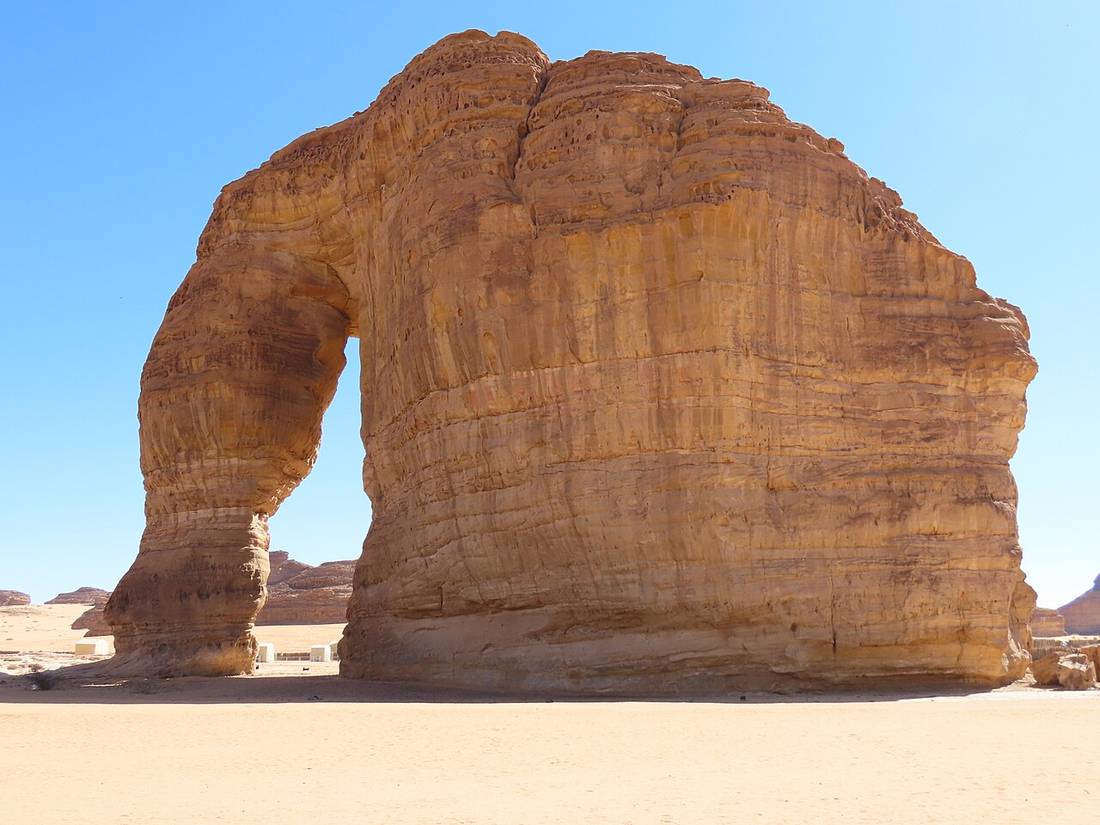
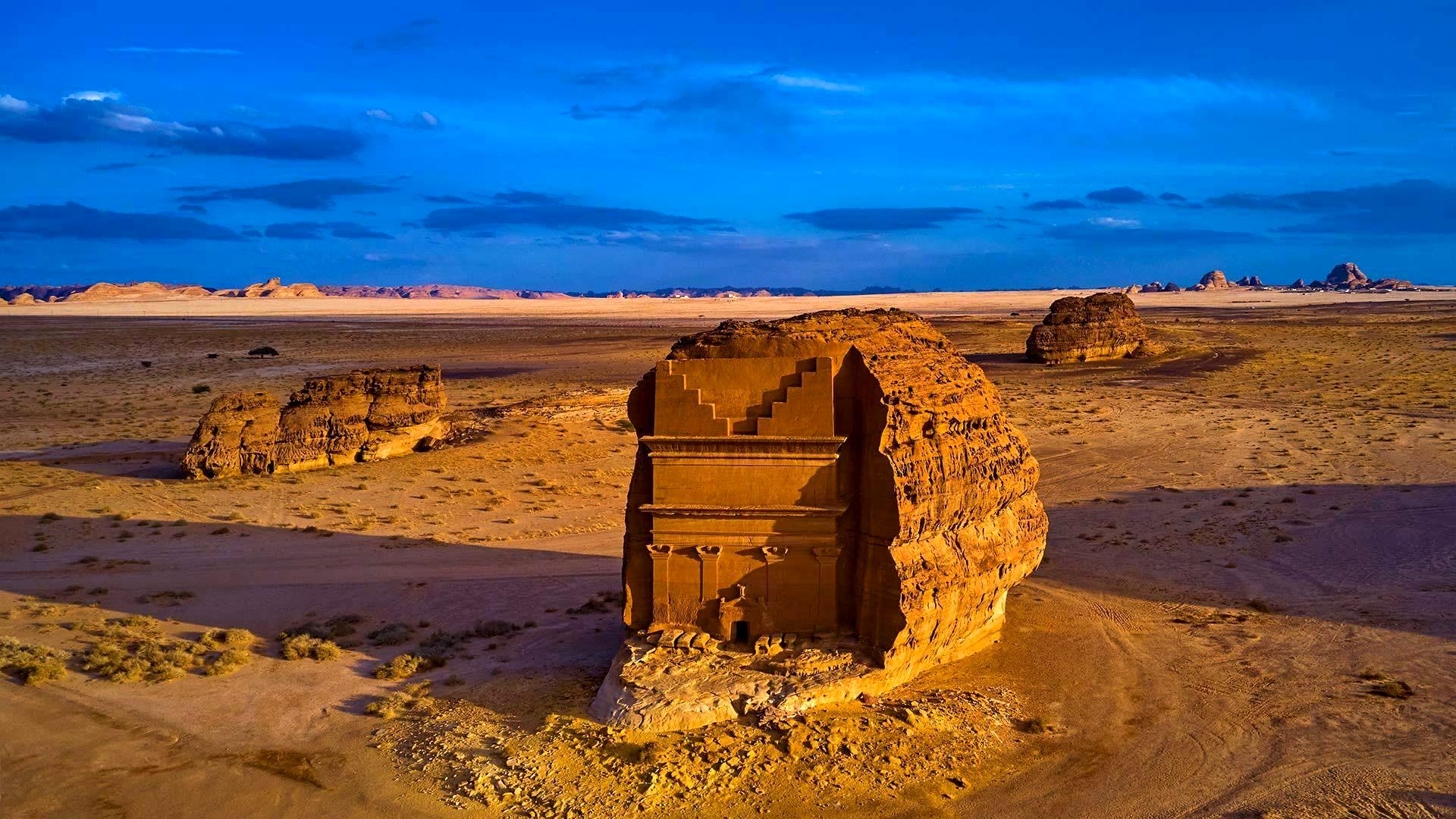
The one geographic caution is the far south-west near the Yemen border: most foreign governments advise against travel to that border area, and there is nothing on a normal tourist route that requires going there. Everywhere the standard itineraries run - Riyadh, Jeddah, AlUla, the Red Sea coast, the Eastern Province - is open, visited and set up for tourism. Health-wise, the mundane dangers matter most: sun and dehydration in the warmer months. Carry water, schedule ruins and old towns for the cooler hours, and remember that the medical insurance bundled with your visa is there if you need it.
Scams and official-looking fakes
Tourist scams are not a big local industry, but one digital trap is worth naming: look-alike visa websites that charge large fees for the ordinary eVisa or promise approvals they cannot influence. Check the domain before you pay anyone, keep your application reference safe, and verify any issued visa the way our status-check guide explains. Inside the country, prices in souqs are negotiated with good humour, taxis booked through apps show the fare upfront, and the general rule applies - if a stranger's offer sounds too good, it is priced that way for a reason.
Common questions
Is Saudi Arabia safe for a solo female traveller?
Yes, with the normal awareness any solo traveller uses anywhere. Women travel, work and holiday in Saudi Arabia in large numbers; our dedicated guide to travelling as a woman covers dress, transport and social practicalities in detail.
What is the single biggest danger for tourists?
The roads. Driving standards and highway speeds are the most common source of harm to visitors. Belt up, avoid fatigued long-distance driving, and let planes and trains do the long legs where you can.
Can I take photos freely?
Landmarks and street scenes, yes. People only with permission, and never military sites, government installations or restricted areas. When in doubt, ask - the question itself is appreciated.
Are there scams I should watch for?
Few on the ground. The main one is online: look-alike visa websites charging inflated fees. Check the domain before paying, and verify any issued visa on the official record.

Ready when you are
Check your eligibility in a minute, then apply online - a specialist reviews your documents before anything is submitted, and your total is confirmed in writing before you pay.