Money, SIM Cards and Phones in Saudi Arabia
Riyals, cards and cash; which SIM to buy at the airport and how registration works; plugs, emergency numbers and the few Arabic phrases that open doors - the practical layer under every Saudi trip.
- The riyal is pegged at 3.75 to the US dollar, so the rate never moves
- Cards and phone payments are accepted almost everywhere in the cities; keep a small cash float for markets and tips
- Tourist SIMs from STC, Mobily and Zain are sold in airport arrivals and must be registered to your passport
- Plugs are Type G (the UK-style three-pin), and the unified emergency number is 911 in Riyadh, Makkah and the Eastern Province
The money: riyals, and a rate that never moves
Saudi Arabia's currency is the riyal (SAR), divided into 100 halalas. Unusually for travellers, the exchange rate is a fixed point rather than a moving target: the riyal is pegged to the US dollar at 3.75 to the dollar, and has been for decades. That makes mental arithmetic easy - divide riyal prices by four for a rough dollar figure, or by roughly five for pounds - and our free currency converter will turn any price into your own currency exactly. Notes run from 1 to 500 riyals; the 100 and 500 are the ones to recognise, and coins appear for small change.
Cards first, cash second
In the cities, Saudi Arabia is close to a card-first country: contactless cards and phone payments are accepted in malls, restaurants, hotels, taxis booked by app and most shops, riding on the local mada network alongside the international card schemes. Carry a modest cash float anyway - small groceries, older taxis, market stalls and tips still run on notes, and a 100-riyal note solves problems a card cannot. ATMs are everywhere, including airport arrivals halls, and they give the bank rate; exchange kiosks at airports are convenient but rarely the best value. One setting worth knowing: when a card terminal offers to charge you in your home currency instead of riyals, choose riyals - the conversion offered at the till is almost always worse than your bank's.
A SIM at the airport: STC, Mobily or Zain
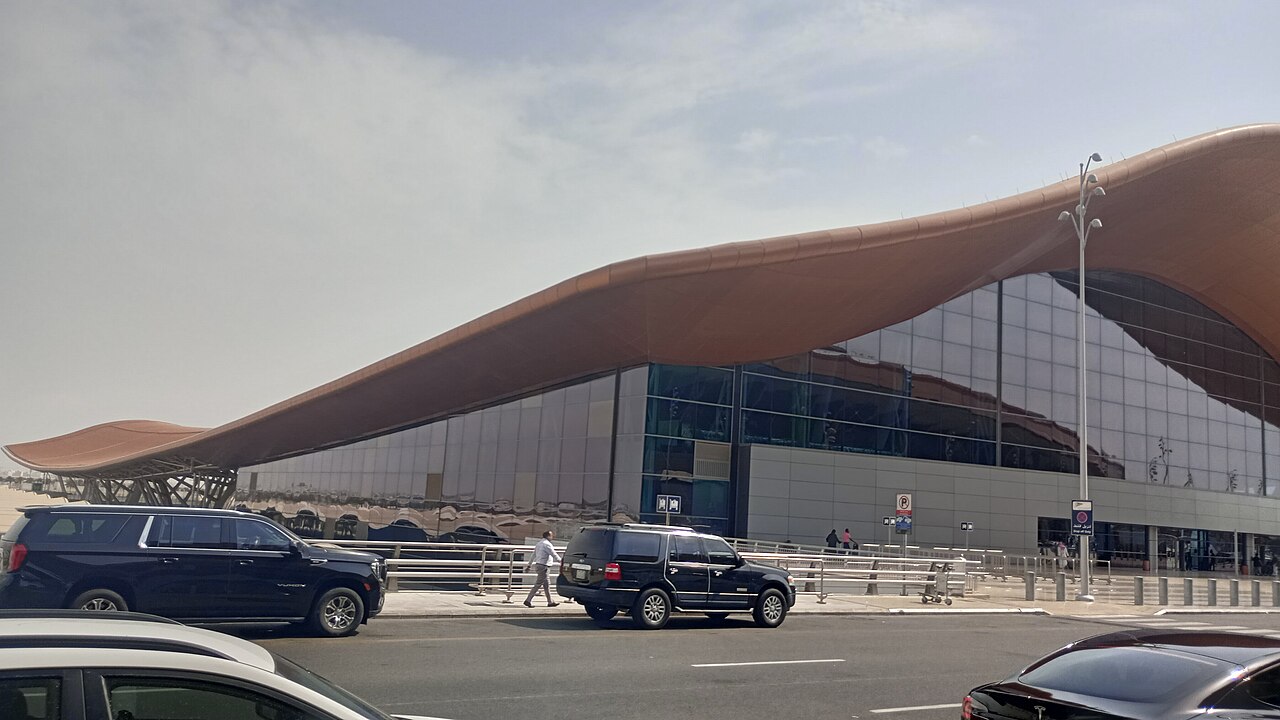
Saudi Arabia has three mobile networks - STC, Mobily and Zain - and all three keep counters in the international arrivals halls of the major airports, usually open around the clock. Tourist SIM bundles pair a local number with a data allowance sized for a trip, and buying one takes a few minutes. You will need your passport: Saudi SIMs are registered to an identity document by law, and the staff will scan it and take a fingerprint on a small reader. That is normal, quick, and the reason unregistered street-corner SIMs are not a thing here. For coverage, STC is generally the widest across the country; inside the cities and along the main highways, all three are strong.
eSIM and staying connected
If your phone supports eSIM, you can land already connected: the Saudi networks sell eSIM tourist plans through their apps, and international eSIM providers cover the Kingdom too. Hotel and cafe Wi-Fi is common in the cities, and 5G covers the main urban areas. The honest gap is the deep desert: on long inter-city drives, signal can fade between towns, so download offline maps and your hotel details before setting out - our driving guide makes the same point for a reason. Messaging apps work normally for keeping in touch with home; if a call really matters, a plain voice call on your local SIM always works.
Small things that save the day
Plugs are Type G - the three rectangular pins used in the UK and the UAE - so visitors from Europe, the US and most of Asia need an adapter, ideally a universal one with USB ports. For emergencies, Riyadh, Makkah and the Eastern Province use the unified 911 number; elsewhere, 999 reaches the police and 997 an ambulance. The Saudi weekend is Friday and Saturday, which shifts opening hours more than visitors expect. And a few words of Arabic earn smiles everywhere: As-salamu alaykum (hello, literally 'peace be upon you'), Shukran (thank you), Min fadlik (please, to a man) and B'kam? (how much?). None of this takes long to arrange - an hour at the airport and in your first shop - and it quietly removes most of the friction from the trip that follows.
Common questions
Which SIM network should I choose?
Any of the three works well in the cities. STC generally has the widest coverage if your trip includes long drives or remote areas; otherwise pick the tourist bundle with the data allowance that fits your trip.
Can I just use my home SIM and roaming?
You can, and for a very short trip it may be simplest - but roaming data is usually far more expensive than a local tourist SIM, and a Saudi number helps with ride-hailing apps, deliveries and one-time codes.
Do I need cash at all if I have cards?
A little. Cards cover the overwhelming majority of spending in the cities, but small shops, some taxis, market stalls and tips still run on cash. One or two hundred riyals in small notes is a sensible float.
Is the exchange rate fixed everywhere?
The official peg is fixed at 3.75 riyals to the dollar. What varies is the margin: ATMs use your bank rate, airport kiosks take a wider cut, and paying a card terminal in riyals rather than your home currency avoids the till-side conversion markup.

Ready when you are
Check your eligibility in a minute, then apply online - a specialist reviews your documents before anything is submitted, and your total is confirmed in writing before you pay.