Cultural Etiquette in Saudi Arabia: What Visitors Should Know
Saudi Arabia is more relaxed than its reputation and more traditional than its malls suggest. The customs that matter, explained without the scare stories.
- Visitor women are not required to wear an abaya or headscarf outside mosques
- Shops may pause briefly at prayer times - it lasts minutes
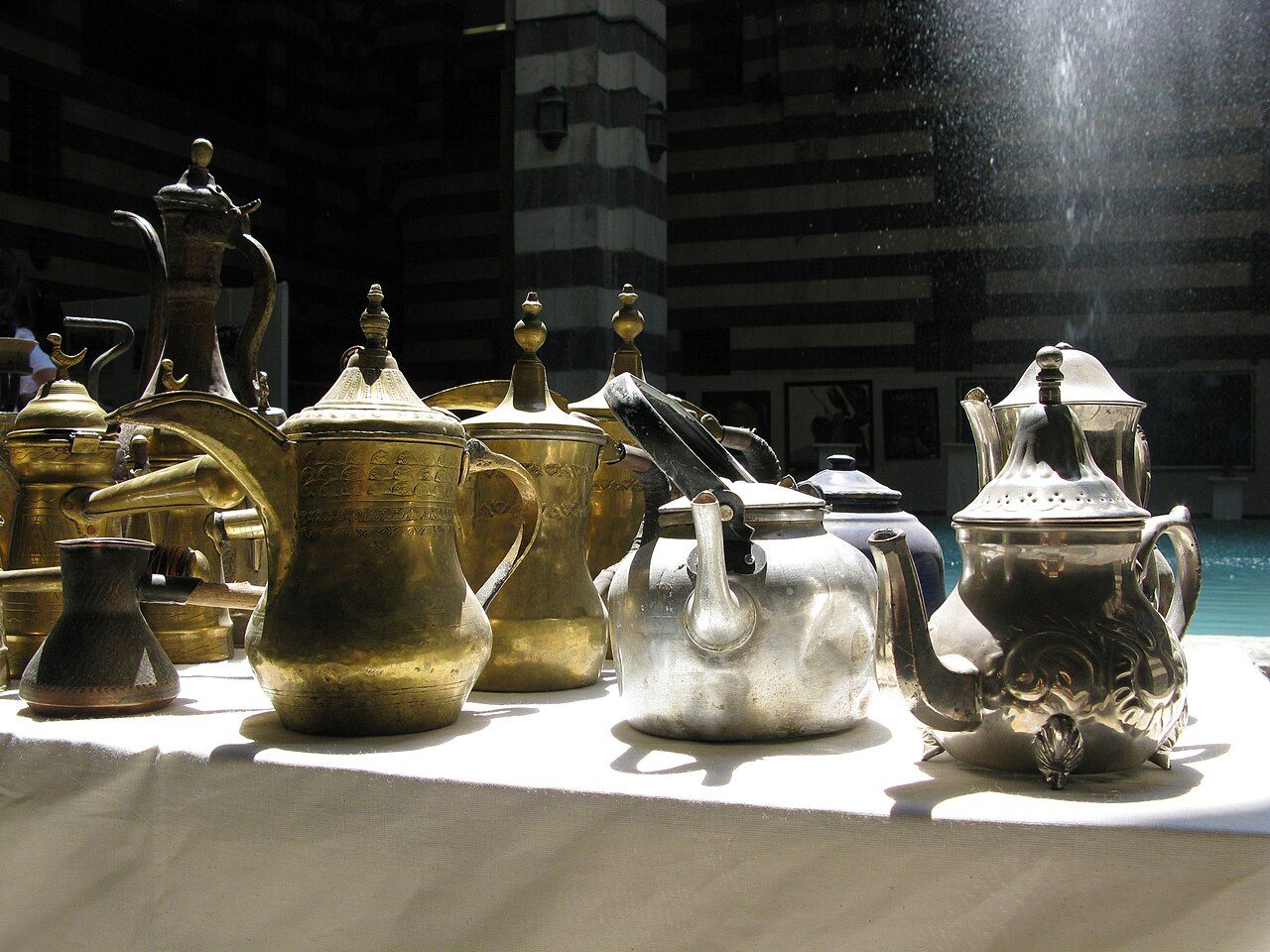
- Shake the coffee cup gently to signal you have had enough qahwa
- Alcohol is fully prohibited, including for tourists
Dress: modest, not costume
Visitors dress modestly in public: shoulders and knees covered, clothing not tight or transparent. Women - including non-Muslim visitors - are not required to wear an abaya or cover their hair in most settings, though many choose loose, longer layers for comfort and fit with the room; hair covering is required inside mosques. Swimwear belongs at the pool and beach club, not the street. Men should skip shorts for formal or official settings. When in doubt, one notch more conservative than your instinct will land right.
The rhythm of prayer
Five times a day the country breathes in: mosques fill, some smaller shops close briefly, and meetings pause. It lasts minutes, not hours, and the correct response is simply patience - wait, have a coffee, let it pass. In Ramadan the rhythm deepens: Muslims fast from dawn to sunset, eating and drinking in public during the day is impolite (and in some settings restricted), and the evenings come alive with iftar meals you may well be invited to. Accept - it is one of the great travel experiences the Kingdom offers.
Greetings and hospitality
'As-salamu alaykum' opens every door a little wider, answered by 'wa alaykum as-salam'. Handshakes are offered by many but not all - take your cue from the other person, and let women initiate if they wish. Coffee and dates are not a transaction; the small cup of qahwa, refilled until you give it a little shake to signal enough, is a ritual of welcome. Refusing hospitality entirely reads as distance; accepting a little reads as respect.
Photography and privacy
Ask before photographing people - especially women and families - and never photograph government buildings, military sites, airports' secure areas or anyone praying up close. Drones are a separate regime entirely and need prior approval. The rule of thumb: Saudi society guards personal privacy more than public space, so faces need permission even where skylines don't. A smile and a gesture toward your camera resolves most situations before they start.
The hard lines
Alcohol is prohibited - fully, including for visitors, including in hotels. Drugs carry severe penalties. Public criticism of the Kingdom, its leadership or Islam can create legal trouble, and public displays of affection are frowned upon. None of this is hidden or new, and millions of visitors navigate it without thinking twice: the country's welcome to tourists is genuine, and it asks in return that you behave as a guest. That is the whole etiquette, really - guest manners, in a place that takes hosting seriously.
Common questions
Do I have to cover my hair as a woman visiting?
Not in public generally. You will need a headscarf to enter mosques, and loose modest clothing everywhere. Many visitors carry one light scarf and use it as needed.
Can I take photos of people?
Ask first, especially with women and families, and never photograph people praying at close range or anything military or governmental. Landscapes and architecture are unrestricted in normal tourist areas.
What happens during Ramadan for visitors?
Muslims fast in daylight; eating and drinking discreetly is the polite approach, restaurants often open at sunset for iftar, and the evenings are the social peak. It is a fascinating time to visit if you plan around the rhythm.

Ready when you are
Check your eligibility in a minute, then apply online - a specialist reviews your documents before anything is submitted, and your total is confirmed in writing before you pay.