Saudi Arabia Dress Code for Tourists: What to Wear (and What to Skip)
The actual rules, separated from the rumours: whether foreign women need an abaya or headscarf, what men can and cannot wear, mosque and beach exceptions, and how the answer changes by city.
- Foreign women are not legally required to wear an abaya or a headscarf in public
- Inside mosques, women cover their hair and wear loose full-cover clothing; men wear long trousers
- Private beaches, beach clubs and hotel pools follow normal resort rules
- Jeddah is the most relaxed city; Madinah and smaller towns dress a level more conservatively
The principle behind the rules
Saudi dress expectations rest on one idea: loose, modest clothing in public. Shoulders and knees covered, nothing tight or transparent, for men and women alike. That single principle answers most situations a tourist will meet, and it is also simply practical clothing for the climate - loose cotton and linen are what the heat asks for anyway. Everything below is the principle applied, including where the law ends and local custom begins, because dressing well here means respecting both.
Women: the abaya question, answered plainly
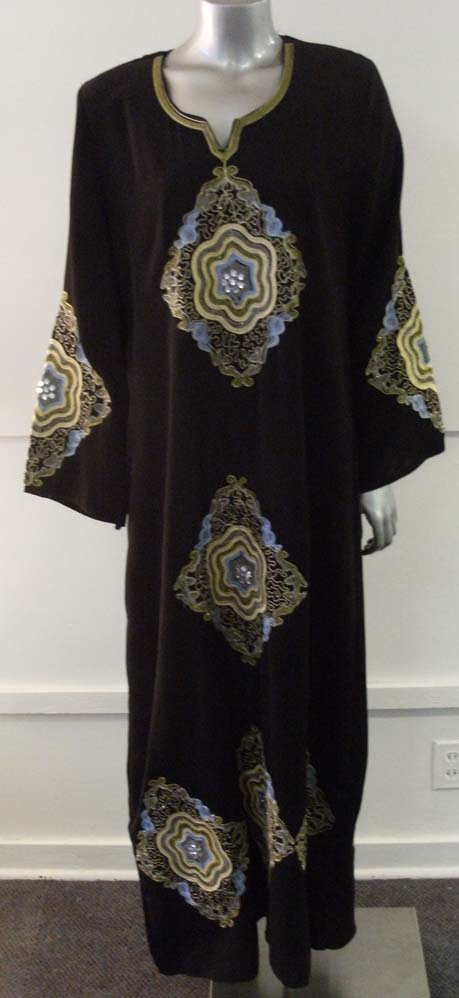
Foreign women are not legally required to wear an abaya, and have not been since the Kingdom opened to tourism in 2019. A headscarf is likewise not required in public - the exception is inside mosques, covered below. In practice, dress sits on a spectrum by place: in Jeddah and Riyadh's modern districts, long dresses, wide trousers and loose tops are unremarkable, while in Madinah, Qassim and smaller towns, most visitors choose an abaya because everyone around them is wearing one and it is the easiest way to feel comfortable. An abaya is also genuinely useful kit: it goes over anything, solves every 'is this modest enough' question, and packs to nothing. Many first-time visitors buy one on arrival and wonder why they hesitated.
Men: simpler, with two firm lines
For men the code is shorter. Trousers or long shorts below the knee in the cities, shirts or t-shirts with sleeves, and nothing with offensive slogans or images. The two firm lines: no sleeveless vests in public, and swimwear belongs at the beach or pool, not the street. For business meetings, dress a level up - a suit or smart trousers and a collared shirt match the room, and Saudi counterparts are usually impeccably turned out. Traditional white thobes are for Saudis; visitors are not expected to wear one, and buying a ghutra as a costume will read as exactly that.
Mosques, beaches and hotel pools
Mosques are the strict case. Women entering a mosque cover their hair and wear loose, full-cover clothing - an abaya and scarf do it perfectly - and men wear long trousers. Note that most working mosques are places of worship rather than tourist sights, and non-Muslim visitors generally admire them from outside; organised visits exist at a few. At the other end of the scale, private beaches, beach clubs and resort pools in the Red Sea resorts and the big cities operate on normal resort rules, swimwear included, while public beaches call for modest swimwear and a cover-up off the sand. Hotel pools follow house rules, which in international hotels are the ones you are used to.
Reading the city you are in
The same outfit can be unremarkable in one city and conspicuous in another, so read the street when you arrive. Jeddah is the most relaxed, Riyadh businesslike and increasingly cosmopolitan, AlUla used to international visitors, and the holy cities and the conservative centre a step more traditional - in Madinah especially, visitors of both sexes dress up a level out of respect for where they are. During Ramadan, modest dress matters more, not less. Nobody is checking hemlines with a ruler; the goal is simply to look like you understood where you are, which Saudis visibly appreciate.
Common questions
Will I stand out if I do not wear an abaya?
In modern districts of Jeddah and Riyadh, no. In Madinah, smaller towns and traditional souqs you will be in a small minority - not breaking any rule, but many visitors prefer an abaya there for comfort.
Can men wear shorts?
Long shorts below the knee pass in casual settings in the big cities, but trousers are the safer default for restaurants, malls and anything official - and they are what most local men wear.
What should I pack to be safe everywhere?
Loose, light layers that cover shoulders and knees, one abaya and scarf for women, and a light cover-up for beaches and mosque visits. That kit handles every situation in this guide.
Are the rules different during Ramadan?
The law is the same; the sensitivity is higher. Dress a touch more conservatively, and be discreet about eating and drinking in public during daylight hours.

Ready when you are
Check your eligibility in a minute, then apply online - a specialist reviews your documents before anything is submitted, and your total is confirmed in writing before you pay.